• Store
  • About
  • Blog
  • FAQ
  • Shopping Cart Shopping Cart
    0Shopping Cart
Balsam Tours
  • Welcome
  • Tours
    • Introductory Tour
      • Quality time and experiences at some of the most recognized biblical sites, history of the Holy Land, teaching about Christianity, Judaism, and Islam, traditional Middle Eastern food and culture.
    • New Testament Tour
      • In-depth experiences at some of the most significant New Testament biblical sites, a Jordan River baptism opportunity, boating on the Sea of Galilee, traditional culinary experiences and local fresh-caught fish.
    • Old Testament Tour
      • In-depth experiences at some of the most significant Old Testament sites, a traditional Bedouin lunch, exploration of Qumran, site of Dead Sea Scroll discovery.
    • Culinary Tour
      • Multi-culinary experiences with microcultures living in Israel, cooking classes, immersion into minority cultures and traditions, touring of historic and religious sites.
    • Grand Tour
      • Explore Israel from north to south & east to west discovering ancient archaeological sites, teachings on the world's largest religions, cultural and culinary experiences, and more.
  • Specialty Tours
  • Day Tours
    • Footsteps of Jesus
    • Dead Sea and Jericho
    • Bethlehem
    • Old City Culinary Tour
    • Jerusalem Past and Present
    • Night Photography Tour of Old City
  • STORE
    • Biblical Oils
    • Books
  • CONTACT
  • Menu Menu

Top Beaches to Visit in Israel

April 26, 2026/in Uncategorized/by Andra Hall

Israel is known for its rich history and diverse culture, but did you know that it also boasts some of the most beautiful beaches in the world? If you’re looking for the perfect escape from the city, Israel’s beaches are the place to be. In this guide, we’ll take a closer look at why Israel’s beaches are the perfect escape, which beaches to visit, and some lesser-known beaches to discover. We’ll also provide some tips for staying safe at the beach.

Why Israel’s Beaches are the Perfect Escape from the City


Israel’s beaches offer a unique combination of relaxation, scenic views, and outdoor activities. Whether you’re looking to soak up the sun, take a dip in the water, or enjoy a variety of water sports, Israel’s beaches have something for everyone. Moreover, with miles of coastline along the Mediterranean Sea, the Red Sea, and the Dead Sea, you’ll never run out of beaches to explore.


Top Beaches to Visit in Israel

If you’re planning a trip to Israel, make sure to add these top beaches to your itinerary:

Tel Aviv Beaches – Located in the heart of Tel Aviv, these beaches are popular with locals and tourists alike. With plenty of cafes, restaurants, and bars nearby, you can spend the entire day soaking up the sun and enjoying the lively atmosphere. Here, you’ll be able to find three of the popular beaches: Tel Aviv Beach, Aviv Beach, and Bugrashov Beach.


Herzliya Beach – Known for its crystal-clear water and white sand, Herzliya Beach is a great spot for swimming, sunbathing, and windsurfing. It’s also home to some of Israel’s most luxurious hotels and restaurants.


Eilat Beaches – Located on the Red Sea, Eilat’s beaches offer a unique underwater experience. From snorkeling and diving to glass-bottom boat rides, you’ll have plenty of opportunities to explore the colorful marine life.


Lesser-Known Beaches to Discover

If you’re looking for a quieter, more secluded beach experience, check out these lesser-known beaches:

Dor Habonim Beach Nature Reserve – Located near Haifa, this beach offers a scenic hiking trail, stunning rock formations, and clear water perfect for swimming and snorkeling.


Achziv Beach – Located in northern Israel, this beach is known for its pristine water and white sand. It’s also home to an ancient Crusader fortress and a natural lagoon.


Palmachim Beach – Located south of Tel Aviv, this beach offers a more rustic experience with sand dunes and a nature reserve. It’s a great spot for camping and hiking.


Beach Safety Tips

While Israel’s beaches are generally safe, it’s important to take some precautions to ensure a safe and enjoyable experience. Here are some tips to keep in mind:

  1. Check weather and water conditions before heading to the beach.
  2. Swim with a buddy, especially if you’re not a strong swimmer.
  3. Apply sunscreen regularly and wear a hat and sunglasses to protect yourself from the sun.
  4. Keep an eye out for warning signs and follow the instructions of lifeguards.
  5. Know what to do in case of an emergency.


Israel’s beaches are a must-visit destination for anyone looking for a relaxing and scenic escape from the city. From popular beaches like Tel Aviv to hidden gems like Achziv, there’s something for everyone. By following some simple safety tips, you can ensure a safe and enjoyable experience. So what are you waiting for?


Grab your sunscreen and head to the beach!


https://balsamtours.com/wp-content/uploads/2023/02/AdobeStock_70459517-scaled.jpeg 1706 2560 Andra Hall https://eleinar41.sg-host.com/wp-content/uploads/2021/05/Balsam-Tours-Logo.png Andra Hall2026-04-26 09:30:332026-07-06 15:19:32Top Beaches to Visit in Israel

Israel’s Hidden Gems: A Guide to Off-the-Beaten-Path Destinations

April 20, 2026/in Uncategorized/by Andra Hall

Israel is a popular tourist destination known for its rich history, vibrant culture, and stunning natural beauty. From the ancient city of Jerusalem to the modern metropolis of Tel Aviv, Israel offers a wide range of attractions that draw visitors from around the world. However, despite its popularity, there are still many hidden gems and lesser-known destinations in Israel that are worth exploring for a unique and authentic travel experience. In this article, we will take a closer look at some of Israel’s best-kept secrets, from the shores of the Dead Sea to the rugged wilderness of the Negev Desert.

The Dead Sea

The Dead Sea is one of the world’s most famous natural wonders, known for its healing properties and unique landscape. However, many of the resorts and spas that line the shores of the Dead Sea can be crowded and touristy. To truly experience the magic of the Dead Sea, consider exploring some of the less-crowded spots along the shore. Ein Gedi Nature Reserve, for example, is a stunning oasis in the middle of the desert that offers hiking trails, waterfalls, and wildlife viewing opportunities. Another hidden gem is the Dead Sea Panorama, a lookout point that provides breathtaking views of the Dead Sea and the surrounding mountains.

What’s special about the Dead Sea?

  • The Dead Sea is a saltwater lake bordered by Jordan to the east and Israel and the West Bank to the west.
  • It is the lowest point on the Earth’s surface, at 430 meters below sea level.
  • The Dead Sea is one of the saltiest bodies of water in the world, with a salt concentration of about 34%. This high salt concentration makes it difficult for most organisms to survive in the water.
  • Due to its unique properties, the Dead Sea is a popular destination for people seeking relief from skin conditions such as psoriasis and eczema.
  • The water and mud from the Dead Sea are used in a variety of cosmetic and therapeutic products, and the region around the Dead Sea has a rich history, with several ancient civilizations leaving their mark on the area.

The Golan Heights

The Golan Heights is a volcanic plateau in northern Israel that offers stunning views, historical significance, and a range of outdoor activities. The Golan Heights has played a strategic role in Israeli history and has been the site of several conflicts. Today, it is a peaceful and scenic area that offers opportunities for hiking, biking, and wine tasting. The Golan Heights Winery, for example, is one of Israel’s most renowned wineries and offers guided tours and tastings. The Golan Trail, a 125-kilometer trail that winds through the Golan Heights, is another popular attraction for outdoor enthusiasts.

What’s special about the Golan Heights?

  • Nimrod Fortress is a medieval castle located in the northern Golan Heights, near the border with Lebanon and Syria.
  • The fortress was built in the 13th century by the Ayyubid ruler Salah ad-Din, also known as Saladin, to protect against Crusader invasions.
  • It is one of the largest and best-preserved medieval castles in the Middle East, with impressive walls, towers, and fortifications that offer stunning views of the surrounding area.
  • The fortress changed hands several times over the centuries, with various rulers and armies using it for their own purposes.
  • Today, Nimrod Fortress is a popular tourist destination, with visitors able to explore the castle and its many rooms, corridors, and underground passages.

Yelloy flowers near sea of Galilee in sunny spring day. Beautiful Israel nature.

The Galilee

The Galilee region in northern Israel is a rural and scenic area that offers a unique blend of religious and cultural attractions. From historic churches to charming villages, the Galilee is a hidden gem that offers a glimpse into Israel’s diverse and complex culture. Some of the highlights of the Galilee include the Church of the Multiplication of the Loaves and Fishes, a church built on the site where Jesus is said to have fed the multitudes, and the ancient city of Tzippori, a well-preserved Roman city with stunning mosaics. For a taste of local flavor, be sure to visit one of the region’s bustling markets, such as the Nazareth Market or the Akko Market.

What’s special about The Galilee?

  • The Galilee is a region in northern Israel known for its beautiful landscapes, including lush green hills, valleys, forests, and bodies of water.
  • It is a historical and religiously significant region, with many sites mentioned in the Hebrew Bible and the New Testament, including the cities of Nazareth and Capernaum.
  • The Galilee is also known for its diverse population, including Jewish, Muslim, Christian, and Druze communities, which have all left their mark on the region’s culture and cuisine.
  • The Sea of Galilee, also known as Lake Kinneret, is the largest freshwater lake in Israel and an important source of drinking water for the country. It is also a popular destination for fishing, boating, and water sports.
  • The Galilee is home to many natural attractions, including national parks, nature reserves, and hiking trails, such as the popular Israel National Trail, which runs through the region.

The Negev Desert

The Negev Desert is a vast and rugged landscape in southern Israel that offers a unique blend of natural beauty and cultural heritage. The Negev is home to several nature reserves and parks, including the Ramon Crater (Pictured above) and the Ein Avdat National Park, that offer opportunities for hiking, stargazing, and wildlife viewing. For a taste of traditional Bedouin culture, consider staying at one of the many Bedouin hospitality camps in the Negev. These camps offer a chance to experience the traditional Bedouin way of life, including camel treks, authentic meals, and storytelling around the campfire.

What’s special about The Negev Desert?

  • The Negev Desert is a large desert region in southern Israel, covering over 60% of the country’s land area.
  • It is a desert of extremes, with temperatures that can reach over 40°C (104°F) in the summer and drop below freezing in the winter.
  • The Negev is home to a diverse array of flora and fauna, including several species that are unique to the region, such as the Negev tortoise and the acacia tree.
  • The desert is also home to several Bedouin communities, who have lived in the region for centuries and have adapted to the harsh conditions through their nomadic way of life.
  • The Negev is rich in natural resources, including minerals such as phosphates, which are mined in the region. It is also home to several research institutions, including the Ben-Gurion University of the Negev, which specializes in desert research and innovation.

Israel offers a wealth of hidden gems and off-the-beaten-path destinations that are worth exploring for a unique and authentic travel experience. Whether you are interested in history, culture, or outdoor activities, there is something for everyone in Israel’s lesser-known destinations. So why not step off the beaten path and discover the beauty that Israel has to offer!?

https://balsamtours.com/wp-content/uploads/2023/02/AdobeStock_525536574-scaled.jpeg 1710 2560 Andra Hall https://eleinar41.sg-host.com/wp-content/uploads/2021/05/Balsam-Tours-Logo.png Andra Hall2026-04-20 10:05:092026-07-06 15:17:37Israel’s Hidden Gems: A Guide to Off-the-Beaten-Path Destinations
Negev Desert

Hiking the Israel National Trail: A Guide to the Country’s Epic Trek

April 10, 2026/in Uncategorized/by Andra Hall

The Israel National Trail (INT) is one of the most iconic and challenging long-distance hikes in the world. Covering over 1,000 kilometers, the trail takes hikers on a journey through some of Israel’s most stunning landscapes, including the Galilee, the Negev Desert, and the Judean Mountains. If you’re looking for an adventure, here’s everything you need to know about hiking the INT.

Planning for the Hike

The best time to hike the INT is in the spring (March to May) or the fall (September to November), when the weather is mild and the trail is less crowded. You’ll need to obtain a permit to hike the INT, which you can do through the Israel Nature and Parks Authority website.

In terms of equipment, you’ll need sturdy hiking boots, a backpack, a tent, a sleeping bag, and a water filtration system. It’s also important to be physically prepared for the hike, as the trail is quite challenging and requires a good level of fitness.

Finally, make sure you budget accordingly, as the hike can include accommodation, food, and transportation.

Navigating the Trail

The INT stretches from the northern tip of Israel to the southernmost point, covering a variety of landscapes along the way. The trail is broken up into 42 sections, each of which takes about a day to complete.

The trail’s terrain varies, from rocky mountain paths to sandy desert terrain. Hiking the INT requires a good level of navigation skills, as the trail is not always well-marked. It’s important to bring a map and a compass, and to familiarize yourself with the route before setting out.

Additionally, it’s important to be aware of safety considerations when hiking the INT, such as the risk of flash floods and the need to carry enough water.

Highlights of the Hike

One of the best things about hiking the INT is the incredible scenery you’ll encounter along the way. Some of the most notable landmarks on the trail include the Sea of Galilee, the Ramon Crater, and the Masada fortress. The trail also offers plenty of opportunities for cultural experiences, such as visiting Bedouin villages and learning about the history of the land. Additionally, hikers on the INT may encounter a range of wildlife, from ibex to desert foxes.

Accommodations and Logistics

There are a range of accommodation options along the INT, from camping to guesthouses to luxury hotels. Some sections of the trail require hikers to camp, while others have more established accommodation options. It’s important to plan your accommodation in advance, as options can be limited in some areas.

Finding food and water on the trail can also be challenging, so hikers should plan to bring enough supplies with them. Finally, transportation can be an issue, as the trail is not always easily accessible by public transport. Some hikers choose to hire a car or arrange for a shuttle service to transport them to and from the trail.

Hiking the Israel National Trail is a once-in-a-lifetime experience that offers a unique and immersive way to experience the beauty and diversity of Israel. While the hike is challenging, it’s also incredibly rewarding, offering hikers a chance to connect with nature and experience the rich history and culture of the land. Whether you’re an experienced hiker or just looking for an adventure, the INT is an experience you won’t soon forget. So why not lace up your hiking boots and set out on the trail today?


https://balsamtours.com/wp-content/uploads/2021/05/Negev-Desert-scaled.jpg 1707 2560 Andra Hall https://eleinar41.sg-host.com/wp-content/uploads/2021/05/Balsam-Tours-Logo.png Andra Hall2026-04-10 09:24:052026-07-06 15:19:11Hiking the Israel National Trail: A Guide to the Country’s Epic Trek

Religious Pilgrimage in Israel: A Spiritual Journey

April 8, 2026/in Uncategorized/by Andra Hall

Religious pilgrimage has been a significant practice for people of various faiths for thousands of years, offering a unique opportunity for spiritual connection, reflection, and growth. For many believers, going on a pilgrimage to a sacred location is considered an essential aspect of their faith journey, allowing them to deepen their connection to their religion and to the historical and cultural context of their beliefs.


Among the numerous destinations that attract religious pilgrims from around the world, Israel stands out as one of the most significant, with a rich history and culture that is intertwined with the birth and development of three major Abrahamic religions: Judaism, Christianity, and Islam. Pilgrims who visit Israel can experience the unique spiritual energy of this land, explore the roots of their faith, and connect with others who share their beliefs. As such, Israel is a destination that holds profound significance for millions of religious pilgrims, making it a place of deep spiritual importance and a must-visit location for those seeking to deepen their faith journey.

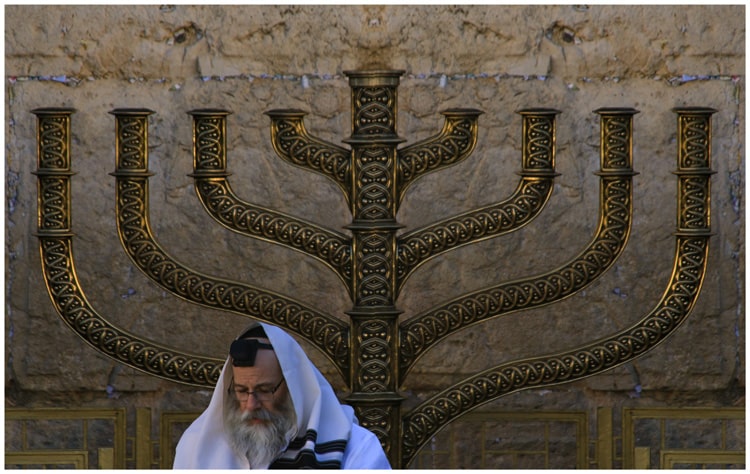
One of the most significant pilgrimage sites in Israel is the Western Wall in Jerusalem. It is considered the holiest site in Judaism and is visited by thousands of Jewish pilgrims each year. The Western Wall is believed to be the only remaining part of the Second Temple, which was destroyed by the Romans in 70 CE. According to Jewish tradition, pilgrimage to Jerusalem during the three major festivals – Passover, Shavuot, and Sukkot – is required of Jewish men.


For Christians, the most important pilgrimage site in Israel is the Church of the Holy Sepulchre in Jerusalem. It is believed to be the site of Jesus’ crucifixion and resurrection and is visited by millions of Christians every year. Other significant pilgrimage sites for Christians include the Sea of Galilee, where Jesus is said to have performed miracles, and the Mount of Beatitudes, where he gave the Sermon on the Mount. Muslims also consider Jerusalem as an important pilgrimage site, as it is home to the Dome of the Rock, which is located on the Temple Mount and is considered the third holiest site in Islam.


With its rich history and culture, it’s no wonder that Israel is such a significant destination for religious pilgrims. To fully understand the significance of religious pilgrimage in Israel, it’s important to explore the significance of the practice.

Introductory Tour of the Holy Land, Jurusalem, Israel


The significance of religious pilgrimage in Judaism, Christianity, and Islam

Religious pilgrimage has been a tradition for millennia, with believers from different faiths traveling to sacred sites around the world to connect with their spirituality, deepen their understanding of their faith, and seek divine inspiration. The three major Abrahamic religions, Judaism, Christianity, and Islam, all consider Israel as an important destination for religious pilgrimage. This is due to the land’s significance as the birthplace and historical center of their respective faiths, where important events in their religious narratives took place.


For Jews, pilgrimage to Israel is a fundamental part of their religious practice. The land is home to numerous sacred sites, with Jerusalem being the most significant. The Western Wall, a remnant of the Second Temple, is considered the holiest site in Judaism, and Jews from around the world travel to Jerusalem to pray and connect with their faith. The three major Jewish festivals, Passover, Shavuot, and Sukkot, also require Jewish men to make a pilgrimage to Jerusalem, highlighting the importance of the city in Jewish religious practice.


For Christians, Israel is a significant destination for religious pilgrimage as it is the birthplace of Jesus Christ and the location of many of the events described in the New Testament. Visiting the Holy Land allows Christians to walk in the footsteps of Jesus, to witness the locations of his birth, baptism, ministry, death, and resurrection. Some of the most significant pilgrimage sites for Christians include the Church of the Holy Sepulchre, the site of Jesus’ crucifixion and resurrection, and the Mount of Olives, where Jesus ascended to heaven.


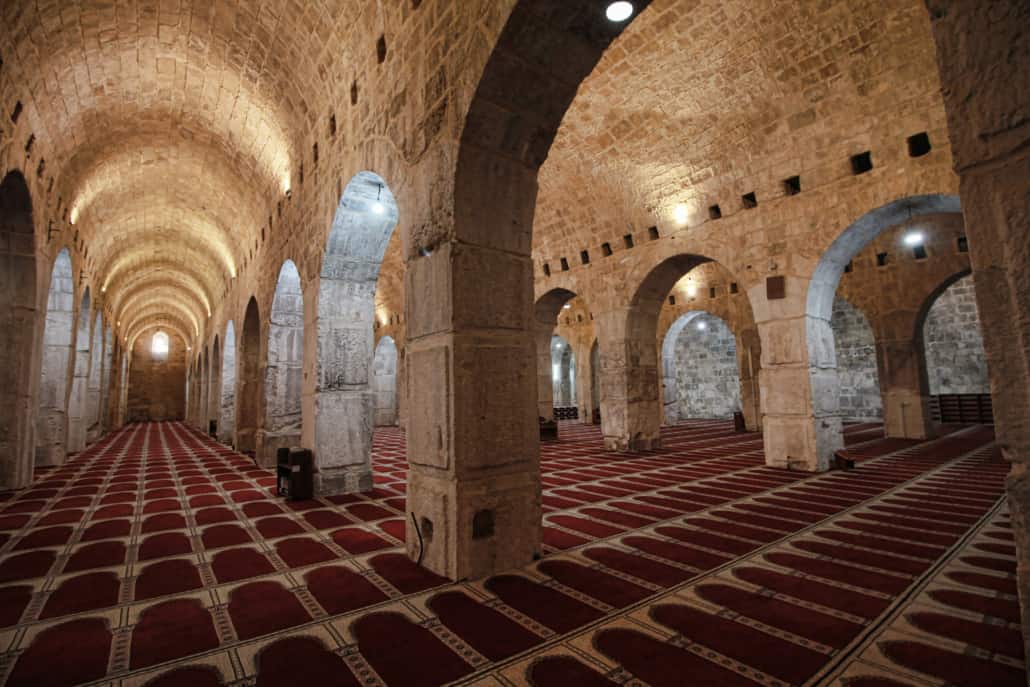
For Muslims, Israel is significant as it is home to the Dome of the Rock and the Al-Aqsa Mosque, which are both located in Jerusalem. The Dome of the Rock is believed to be the site where Prophet Muhammad ascended to heaven, and Al-Aqsa Mosque is where he led prayers during his miraculous night journey. Jerusalem is also believed to be the place where the Prophet Ibrahim built the Kaaba, which is the most sacred site in Islam, located in Mecca, Saudi Arabia.

Holy Land Touring | Tour Israel with Balsam Tours

Popular pilgrimage sites in Israel

The most popular pilgrimage sites in Israel include the Western Wall, the Church of the Holy Sepulchre, and the Dome of the Rock. The Western Wall is a place of prayer and reflection for Jews from all over the world. The Church of the Holy Sepulchre is believed to be the site of Jesus’ crucifixion and resurrection, and is a major destination for Christians. The Dome of the Rock is significant for Muslims and is a beautiful example of Islamic architecture.


The experience of going on a pilgrimage to Israel

Going on a religious pilgrimage to Israel can be a life-changing experience. The physical journey can be challenging, but the spiritual rewards are significant. Religious pilgrims can deepen their connection to their faith and to the history and culture of the region. Advice for those considering going on a pilgrimage to Israel includes planning ahead, staying safe, and being respectful of the customs and traditions of the region.


The future of religious pilgrimage in Israel

Religious pilgrims in Israel face a number of challenges, including political conflict. However, it remains an important practice for believers around the world, and Israel will continue to be a significant destination for religious pilgrims in the future.


Religious pilgrimage to Israel is a unique and transformative experience that connects believers to their faith and to the history and culture of the region. Whether it’s to connect with the history and tradition of Judaism, to walk in the footsteps of Jesus and connect with the early Christian church, or to visit the holy sites of Islam, religious pilgrimage to Israel is an opportunity to deepen one’s spiritual connection and to experience the unique culture and history of this remarkable land.


https://balsamtours.com/wp-content/uploads/2021/06/Holy-Land-Contact-Page.jpg 1047 1800 Andra Hall https://eleinar41.sg-host.com/wp-content/uploads/2021/05/Balsam-Tours-Logo.png Andra Hall2026-04-08 15:23:482026-07-06 15:18:56Religious Pilgrimage in Israel: A Spiritual Journey

Pages

  • About
  • Blog
  • Cart
  • Checkout
  • Contact
  • Day Tours in Israel
  • Email Optin Test
  • General Information
  • Home
  • My account
  • Partner Login
  • Pricing
  • Privacy Policy & Terms of Use
  • Refund and Returns Policy
  • Shop
  • Terms of Use
  • The Rocks Cry Out

Categories

  • Uncategorized

Archive

  • June 2026
  • May 2026
  • April 2026
  • March 2026
  • February 2026
  • January 2026
Balsam Tours Logo

Our Tours

Introductory Tour

New Testament Tour

Old Testament Tour

Culinary Tour

Grand Tour

Christmas & Specialty Tours

Day Tours

Need Help?

About Us

FAQ / General Tour Info

Pricing

Contact Us

We are Social

  Facebook

  Instagram

  Twitter

  Youtube

Copyright © 2021 Balsam Tours | Privacy Policy | Terms of Use | Website by E's Web Design
Scroll to top Scroll to top Scroll to top